Top-freezer refrigerators
The simplest layout, with fewer parts and fewer things to go wrong. When a top-freezer stops cooling, it is more often the defrost heater or sensor than anything in the sealed system.
When a refrigerator fails, you don't have days to wait. Food starts going bad within hours, and every hour you spend waiting is money in the trash.
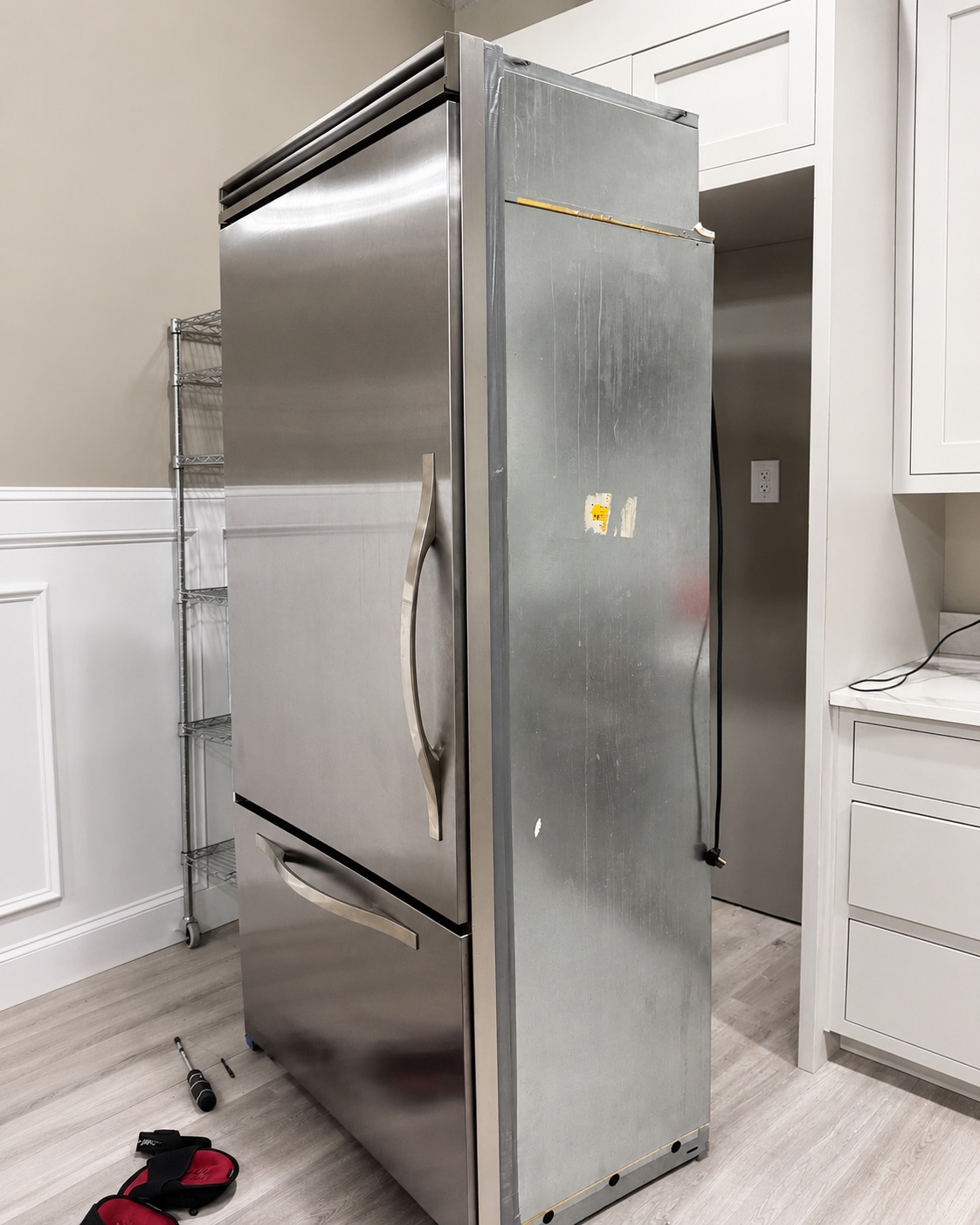
ProTech repairs refrigerators across Sayreville and Central New Jersey, usually the same day you call or the day after. Our technicians carry the parts that actually fail on the truck — which is why about 98% of our refrigerator repairs are finished on the first visit, not on a second appointment days later after a part arrives.
Every repair is backed by a 60-day warranty, and our technicians are EPA-certified to handle the sealed refrigerant systems that uncertified handymen aren't permitted to open.
Six parts that fail, what each one does, and the problem it usually causes.
Moves cold air between the freezer and the fresh food side. The usual cause of “freezer works, fridge doesn't”.
Usually shows up as thisClears frost off the evaporator on a cycle. When it quits, ice builds until airflow stops.
Usually shows up as thisMeters cold air into the fresh food section. Stuck open, it freezes your produce.
Usually shows up as thisFill line, inlet valve and heater. If the fill line has frozen, the fan in that area may have stopped.
Usually shows up as thisThe seal around each door. When it stops gripping, humid room air gets in — condensation, frost and a unit that never stops running.
Usually shows up as thisSheds heat, usually at the bottom of the cabinet. Packed with dust, it is a common cause of gradual cooling loss in summer.
Usually shows up as thisWhat each one looks like from the outside, and what is usually behind it.
The single most common call. The unit runs, the light comes on, but the food inside is warm. Sometimes it happens overnight; sometimes it's a slow drift you only notice when the milk turns early. It's natural to fear the compressor, but more often it's the evaporator fan that circulates cold air, a failed defrost sensor, or a condenser coil so packed with dust the system can't shed heat. All three are same-visit repairs.
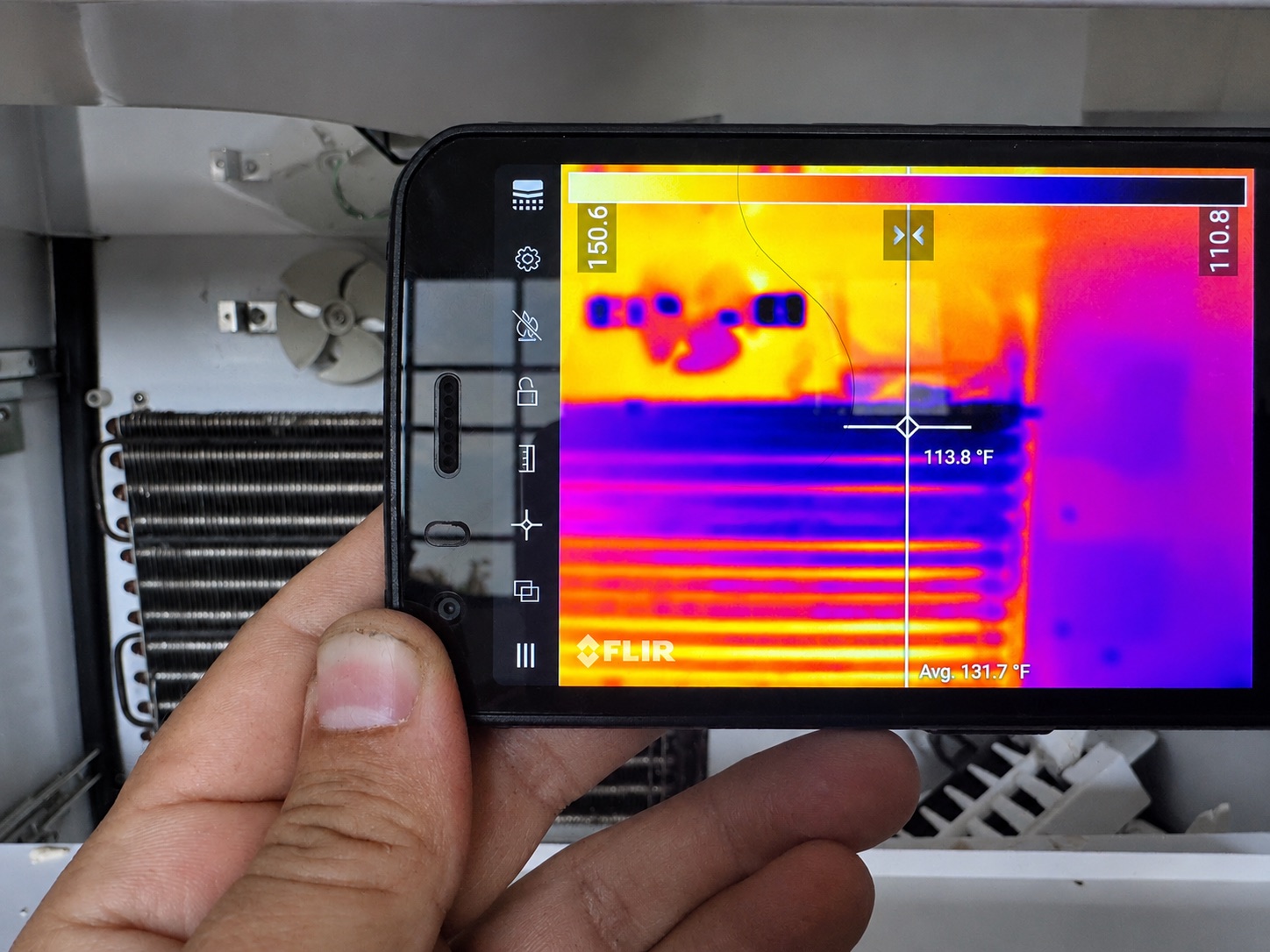
A confusing one, because half the appliance clearly still works. The freezer makes ice normally while the fresh food section sits at room temperature — or the reverse. That split most likely points to airflow rather than the cooling system itself: the evaporator fan has stopped moving cold air between the compartments, or the defrost system has failed and a wall of ice is blocking the vent.
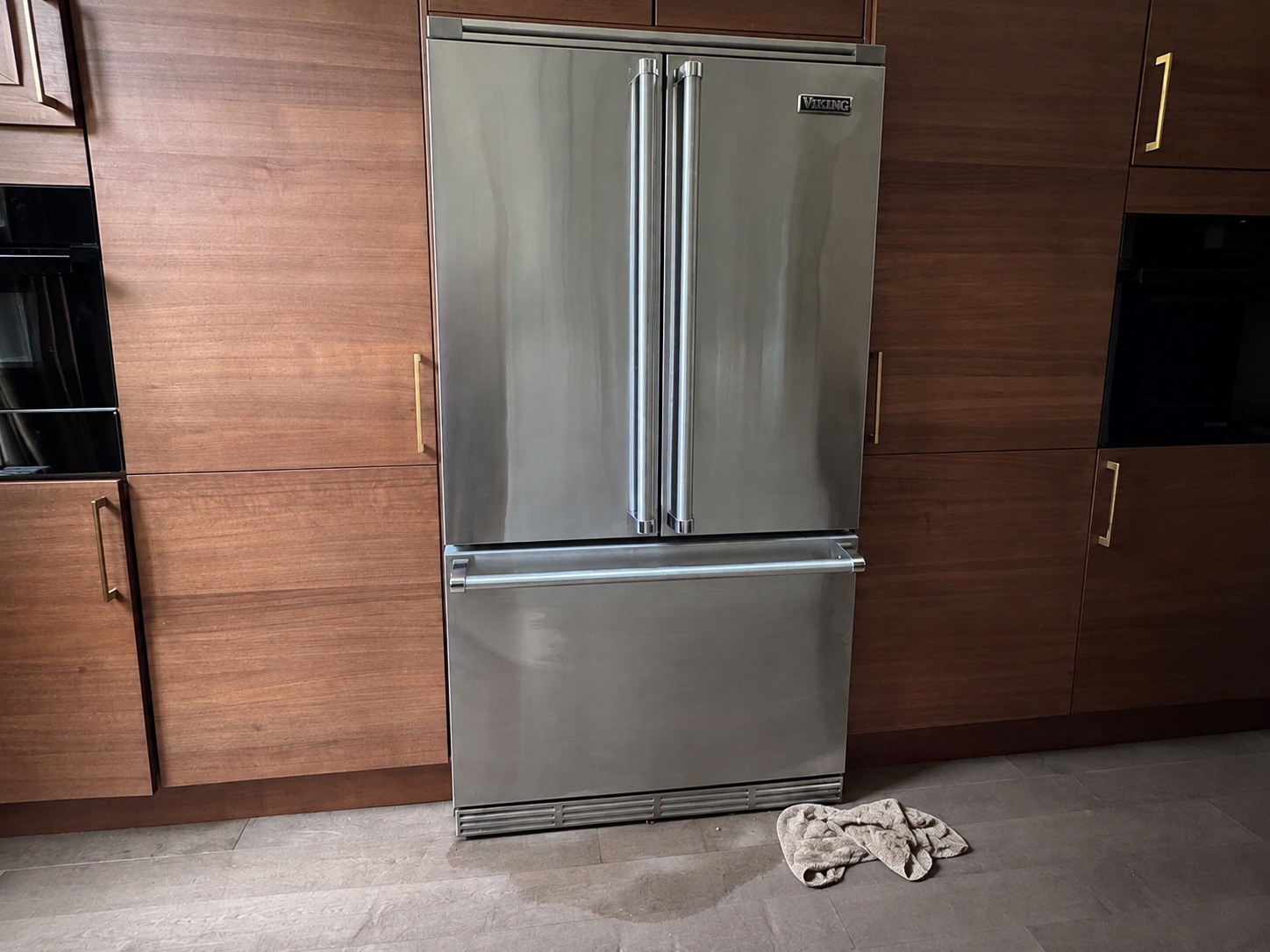
Water pooling under the fridge, along the bottom of the door, or inside the crisper drawers. Easy to ignore for a week — until it works its way under the flooring. Common sources: a frozen or clogged defrost drain backing up into the cabinet, a cracked water line feeding the ice maker, or a door gasket that no longer seals, letting humid room air condense on cold surfaces.
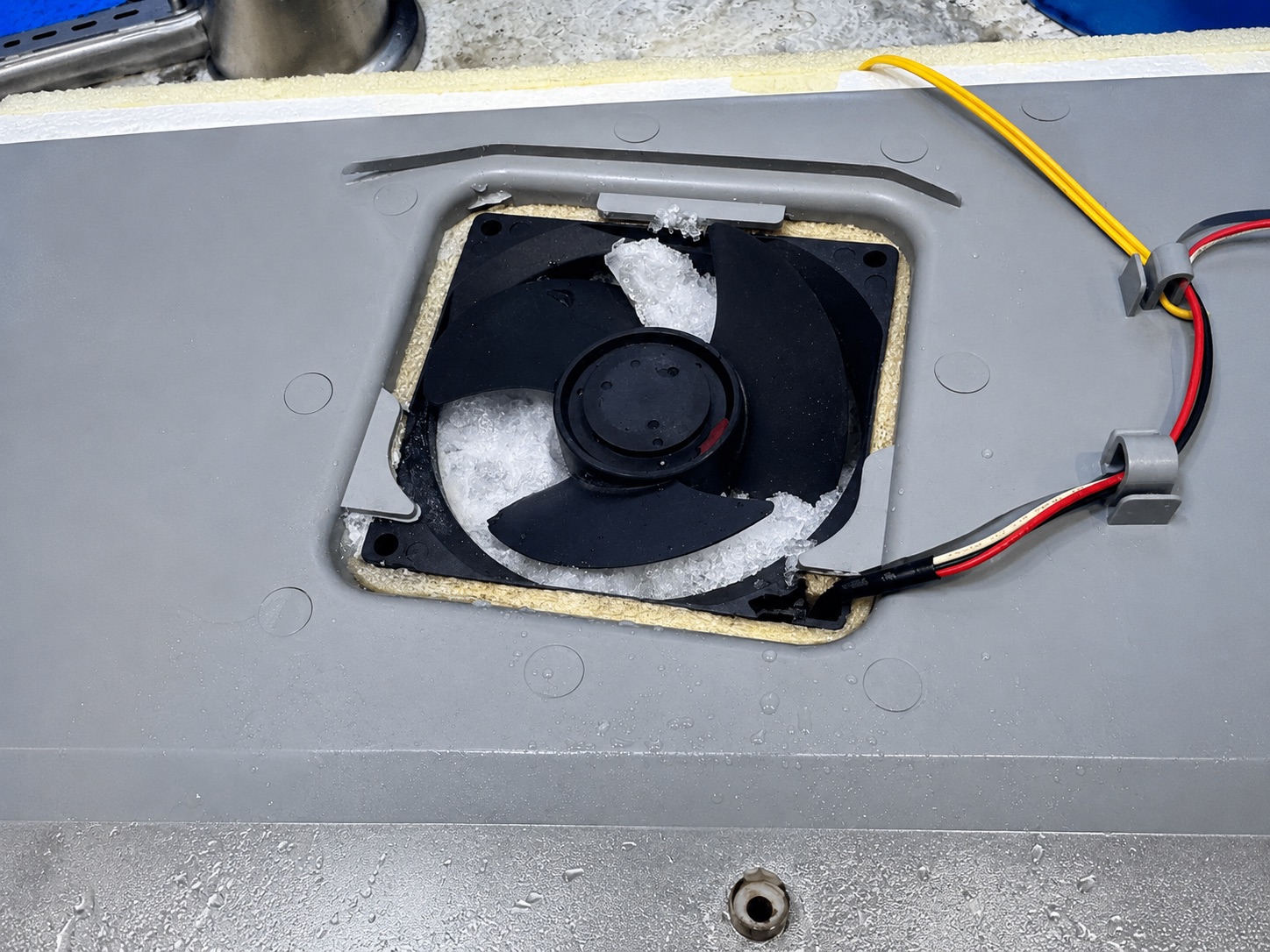
Or it makes hollow, undersized cubes, or the water dispenser has gone dead along with it. Common causes: a frozen fill line, a failed water inlet valve, or a heater in the ice maker assembly that has stopped working.
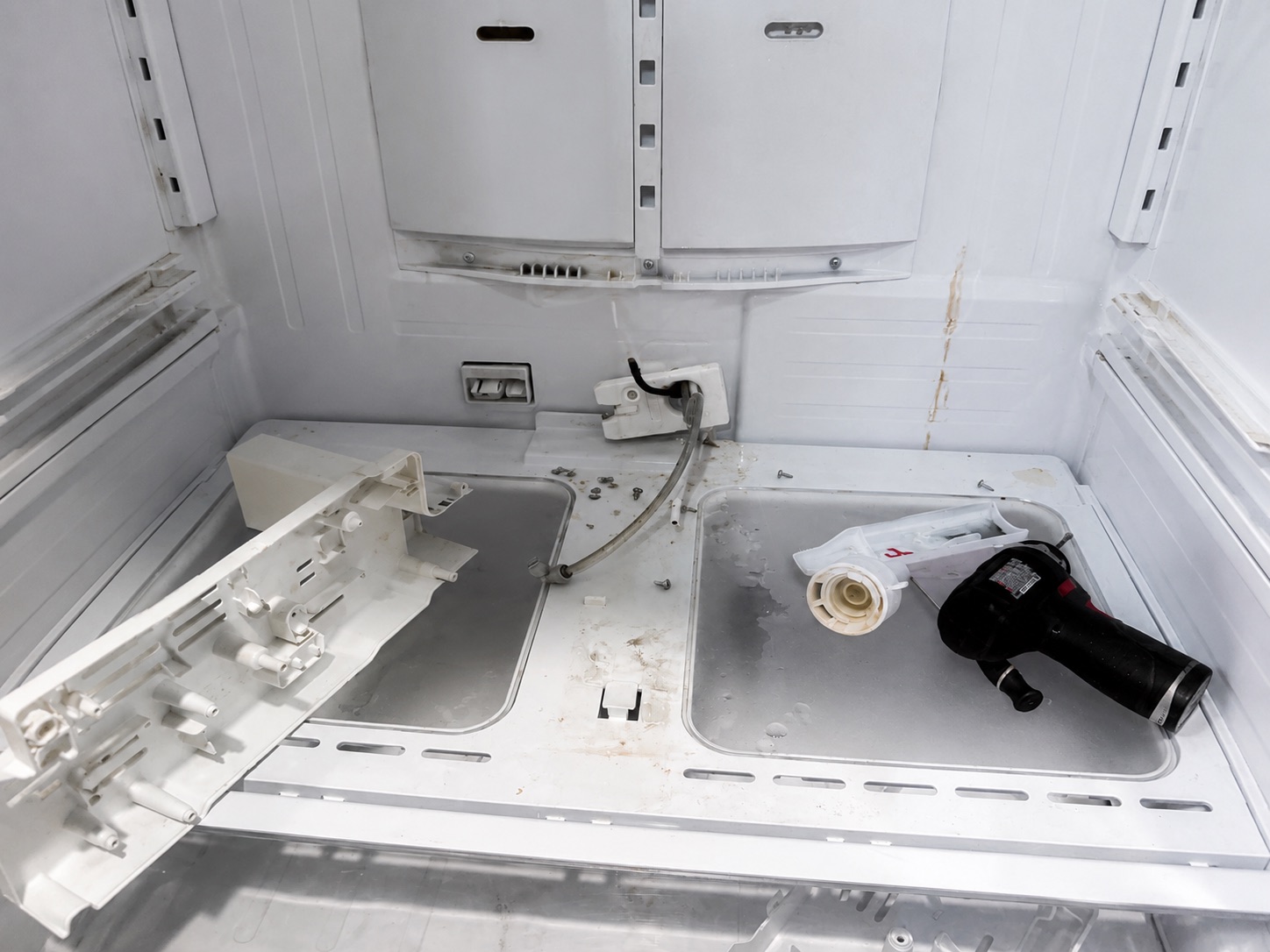
Lettuce turning to ice, drinks slushy, produce ruined in the crisper. If nobody has changed the temperature setting, over-cooling is a real failure. Two common causes: a temperature sensor reading wrong, or a damper stuck open, feeding freezer air into the fresh food section continuously.
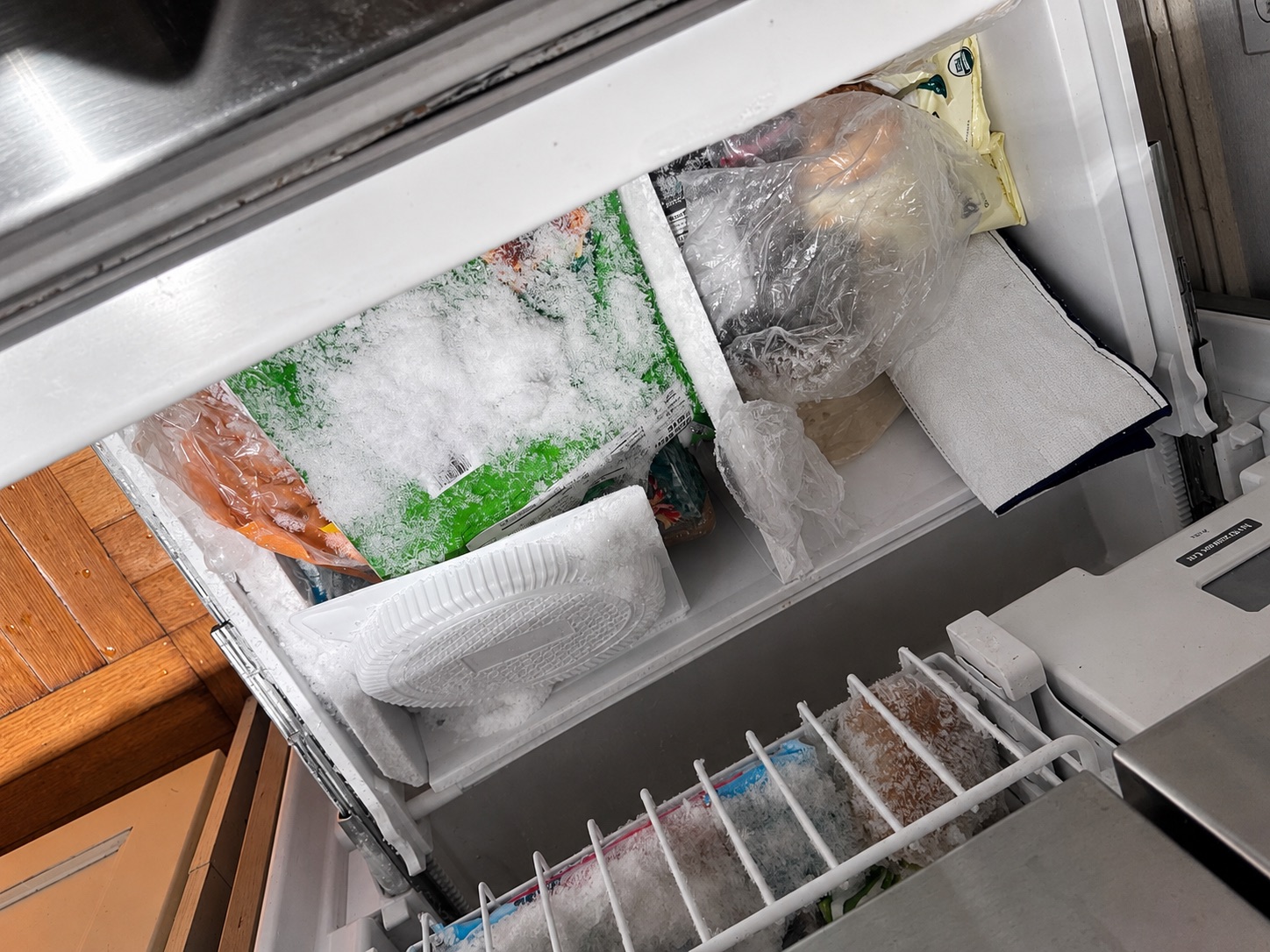
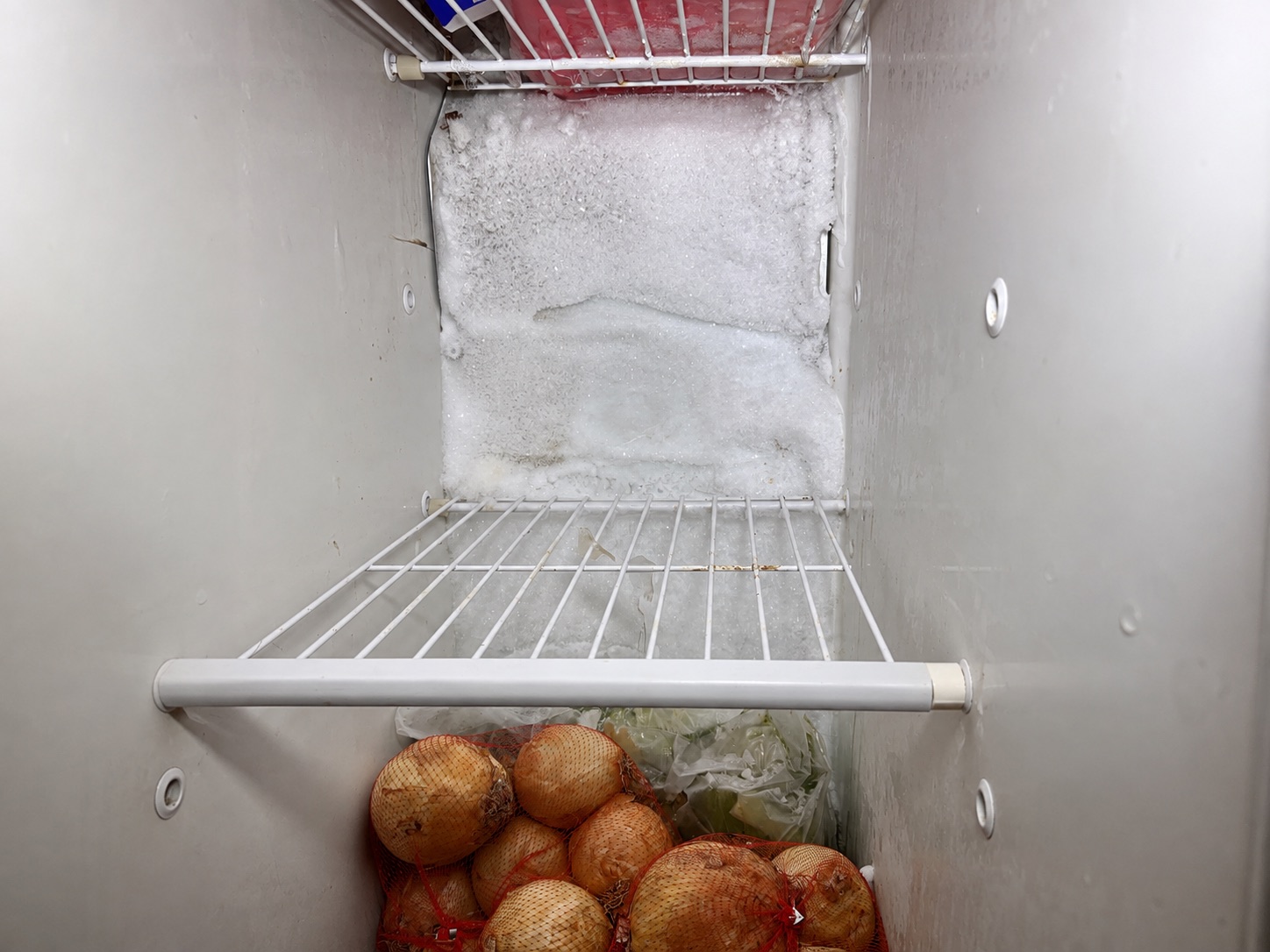
A sheet of ice on the back wall of the freezer, or frost creeping over the food. Frost on the food points to humid air getting in, past a door that isn't closing or a gasket that no longer seals. Ice on the back wall is usually the defrost system — heater, sensor, or timer — no longer clearing the evaporator on schedule. Left alone, that ice eventually blocks airflow and turns into the “freezer works, fridge doesn't” call above.
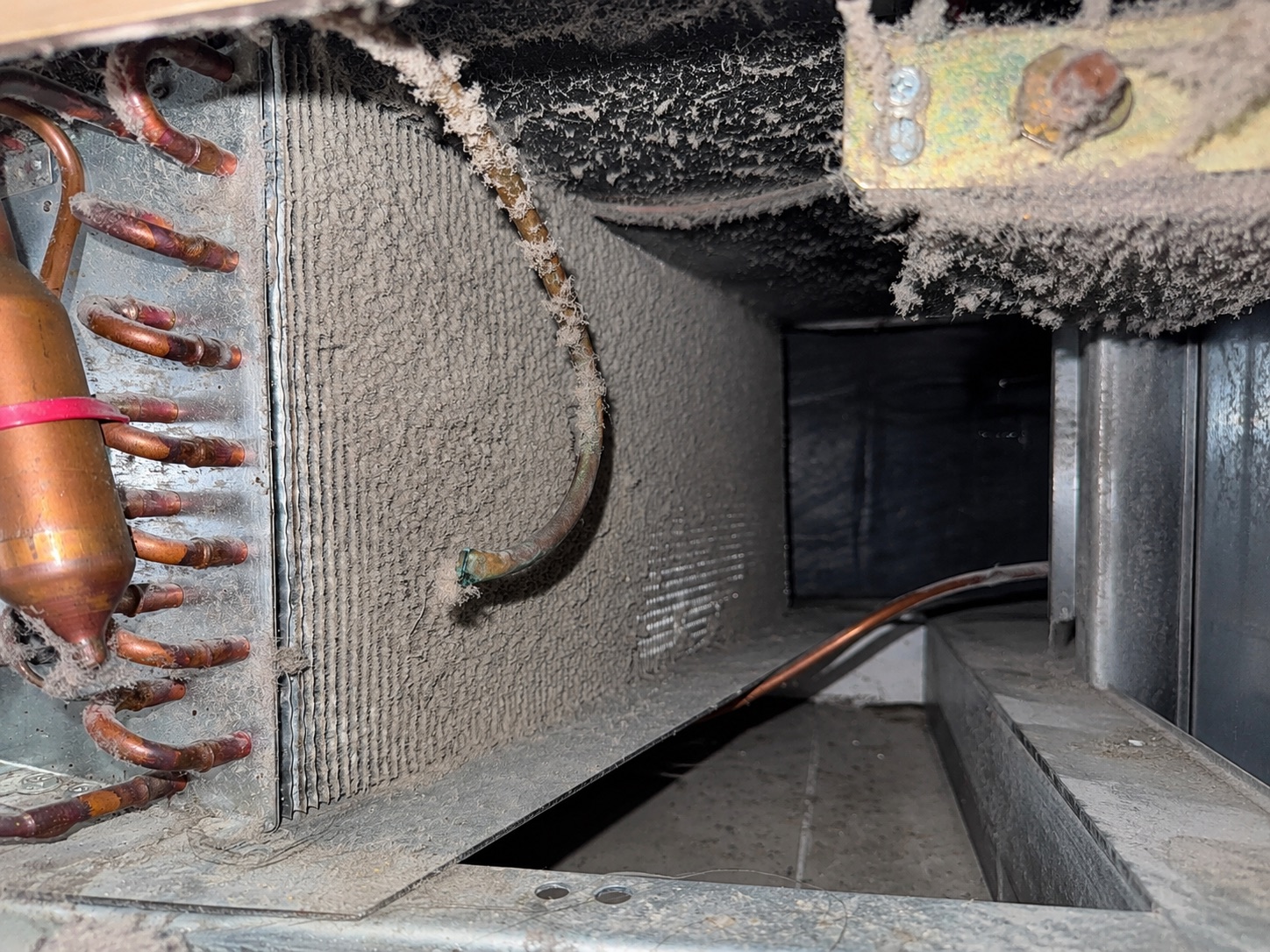
Every summer we get this call. The refrigerator was fine all winter and now it runs constantly without holding temperature. In hot weather the system has far less margin, so a dirty condenser coil or a weak condenser fan motor that coped in February gives up in a New Jersey summer. Coil cleaning and condenser fan motor replacement are our two most common summer repairs.
Same-day and next-day appointments, seven days a week.
We quote before we work. No repair starts until you approve the price.
| Repair | Typical range |
|---|---|
| Evaporator fan motor replacement | $285 – $385 |
| Start relay replacement | $245 – $550 |
| Locating and repairing a leak | $265 – $485 |
Because the same repair is not the same job on every refrigerator. On some models the part sits behind a single panel; on others much of the interior has to come apart to reach it, and the part itself can cost far more. The range reflects the model and how much work it takes to get to the failure — and you get the exact figure before anything is touched.
From a real callThe dispenser on a Samsung refrigerator had stopped working. It turned out the water line had frozen in the ice maker area — and it had frozen because the fan in that area had stopped working. The part that shows the problem is not always the part that failed.
ProTech technician · Sayreville, NJ
The layout changes where the parts sit and what tends to fail — here's what that means for each kind.
The simplest layout, with fewer parts and fewer things to go wrong. When a top-freezer stops cooling, it is more often the defrost heater or sensor than anything in the sealed system.
Freezer on one side, fresh food on the other, with the ice and water dispenser built into the freezer door. The dispenser adds parts a plain refrigerator doesn't have: a fill line that can freeze, a water inlet valve that can fail, and a water line that runs through the door hinge and can crack there.
The most popular layout for new refrigerators. On many models the ice maker sits in the fresh food compartment instead of the freezer, and the freezer drawer depends on a seal that wears with use — a drawer that no longer closes squarely lets in humid air, which shows up as frost build-up and lost cooling.
Sub-Zero, Thermador, Viking, GE Monogram and panel-ready units integrated into cabinetry. Many use two compressors or separate cooling circuits for the two compartments, which is exactly why a fault can kill one side and leave the other working perfectly. These units cost several thousand dollars to replace, so a repair has to be very expensive before replacing makes more sense.
The freezer in the garage or basement. Garage placement is a problem of its own: many freezers are not rated for an unheated space, and a unit that copes in spring can struggle in both summer heat and winter cold.
Here temperature stability matters more than raw cooling power, and repeated temperature swings can damage wine over time. Many smaller units are thermoelectric: a cooling module and a fan do the work instead of a compressor, and those are the parts to check first. Larger compressor-based models fail the same way a refrigerator does.
Twenty makes, from builder grade to fully integrated.
Samsung and GE Monogram deserve a mention of their own. Both use cooling systems more complex than the average refrigerator, and our technicians have a lot of experience repairing both.
Certain imported units whose sealed system is built into the refrigerator's own walls, with no way to reach it for service. If you're not sure whether yours is one of them, give us the make and model when you call.
We pick up the phone and confirm the details with you.
We work every day, 9am to 8pm — and if you need earlier or later, tell us and we'll arrange it.
You approve the exact figure before any work starts.
About an hour for a typical job, with the part already on the van.
When the part isn't on the van, a repair turns into a diagnosis on the first visit, a part on order, and a second visit later. That's two appointments and several days with a dead refrigerator.
We work differently. Our vans carry the parts that actually fail — evaporator and condenser fan motors, defrost sensors and heaters, door gaskets, relays, inlet valves — because after enough refrigerator calls you know what breaks.
A few things worth checking before you book — none of them require opening anything up.
What not to do: don't attempt the repair yourself. Refrigerators combine mains electricity, pressurised refrigerant and sealed systems that require EPA certification to service. Some of the damage we're called out to fix started as a DIY attempt.
Most repairs fall between $100 and $550 depending on the fault and the model, with the majority in the $250–$400 range. The diagnostic visit is $75 and is waived when you proceed with the repair. You always approve the exact price before we start.
We accept cash, checks, credit cards, bank transfer, Zelle and Venmo.
Same day or next day in most cases. We work seven days a week, 9am to 8pm, and can arrange earlier or later when a customer needs it.
Most likely airflow rather than the cooling system itself — usually a failed evaporator fan, or a defrost failure that has iced over the vent between the two compartments. Both are same-visit repairs in most cases.
We don't push replacement just because a unit is a few years old. A well-built refrigerator can have years left in it once a fan or a sensor is replaced. Replacing makes sense when the repair starts approaching the price of a comparable new unit — and we tell you that before you commit to anything.
Yes, including Sub-Zero, Thermador, Viking and GE Monogram. Samsung and GE Monogram in particular use more complex cooling systems than the average refrigerator, and our technicians have a lot of experience repairing them.
Most likely. We stock the components that commonly fail on the van, which is why about 98% of our refrigerator repairs are finished on the first visit.
Our technicians are EPA-certified for refrigerant handling, background-checked and fully insured. Every repair carries a 60-day warranty.
Still unsure? A technician will tell you straight on the phone whether it's worth repairing.
Based in Sayreville, we come to towns in Middlesex, Somerset and Union counties, and to Princeton and West Windsor on request.
Your town isn’t on the list? Call (732) 858-0707 and ask — we’ll tell you whether we can come.
Tell us what it's doing. A certified technician diagnoses it, quotes it clearly, and in most cases fixes it the same visit.