Same-day service available

Washing Machine Repair in Sayreville, NJ

A washer that won't drain leaves a tub full of water and a load of soaked laundry. It doesn't wait until next week, and neither do we.

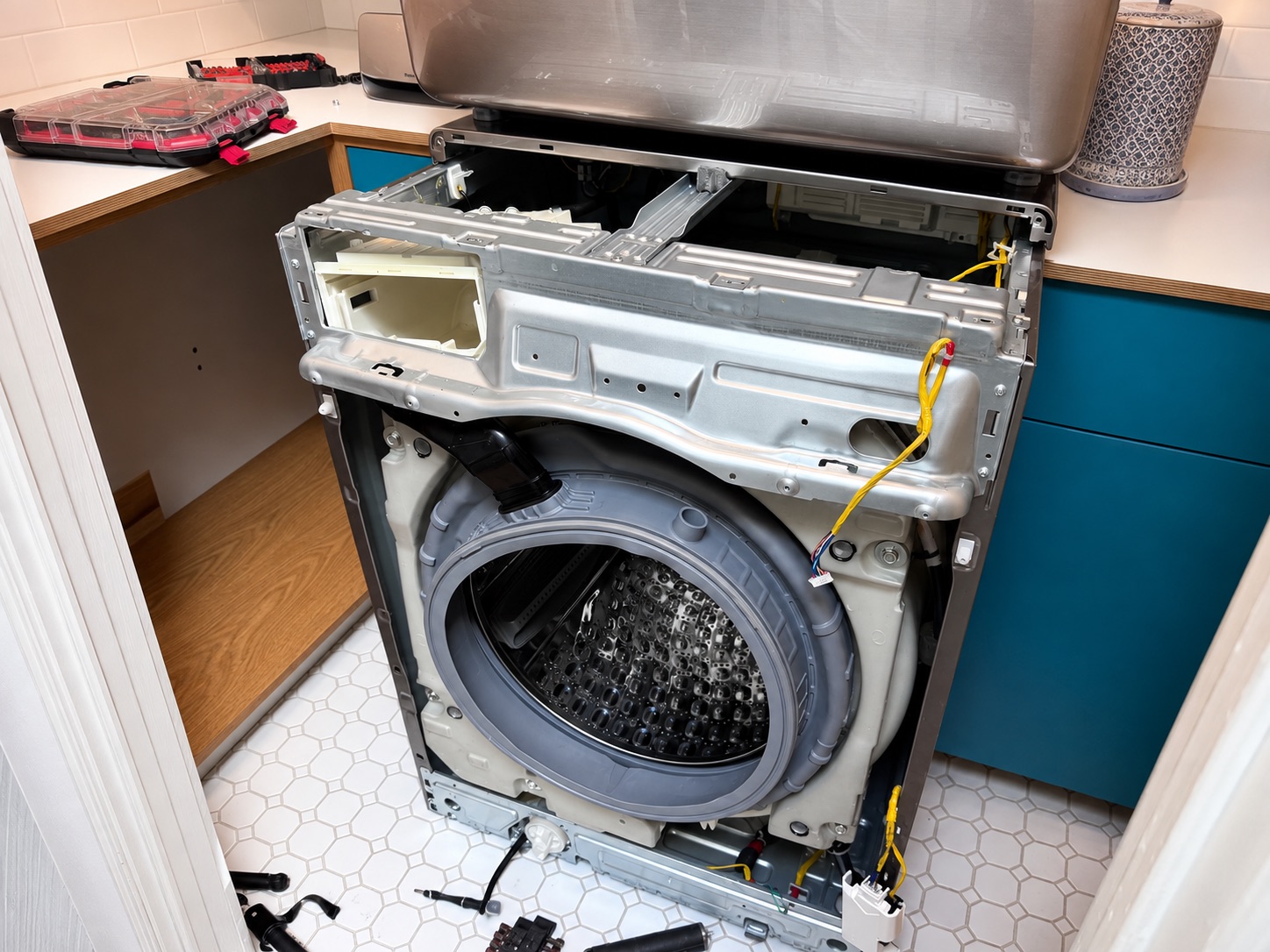
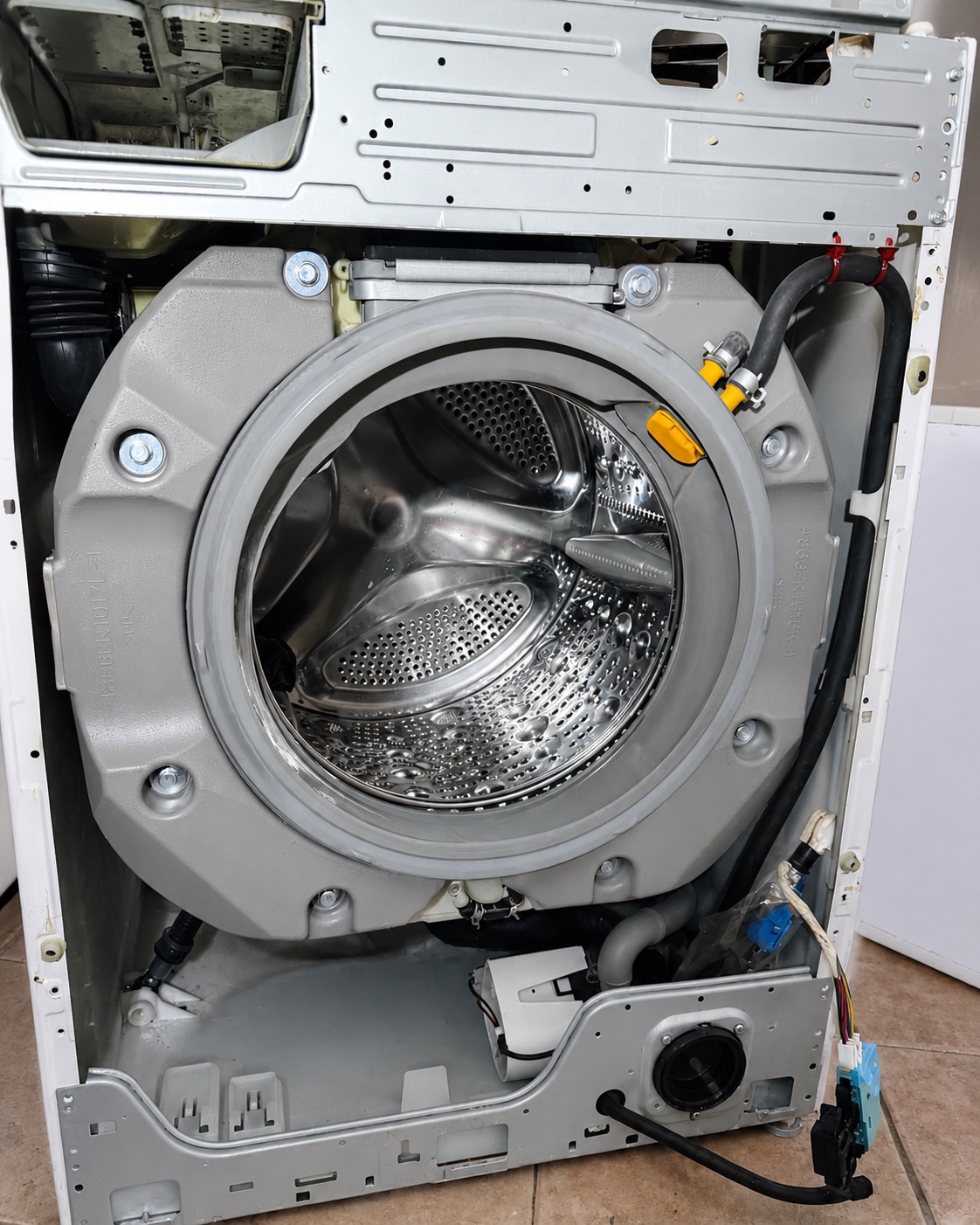
A front-load washing machine with its front panel removed mid-repair, exposing the outer tub, door gasket and drum

ProTech repairs washing machines across Sayreville and Central New Jersey, the same day you call or the next. The parts that actually fail — drain pumps, inlet valves, shock absorbers, door gaskets — ride on the van, which is why about 98% of the washers we're called out to are fixed on the first visit.

Every repair carries a 60-day warranty and we install original manufacturer parts only. You get the exact price before the repair starts.

Look inside

What's happening with yours?

Choose what you see. We'll show you what's going on inside.What's going on inside the machine, for each problem people call us about.

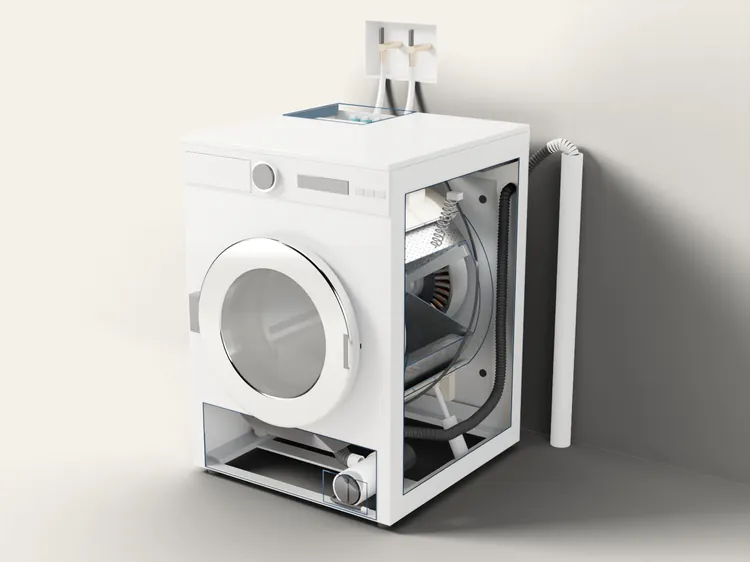
A typical front-load washer with part of its side, top and front cut away: the drum inside the outer tub, the drain pump and its filter at the bottom front, the inlet valves at the top back, and the taps and the standpipe on the wall behind.

Typical front-load washer — yours may look different. Places we check, not a diagnosis.

The washer won't drain

Water should leave through the pump filter, the drain pump and the drain hose — when it stays, one of them is blocked or stopped. A blockage in the drain path is the washer fault we're called for most, and the drain pump is the part that breaks most often. Both are same-visit repairs — we carry the pumps.

The bottom front of the washer, cut open: water standing in the hose from the tub, in the pump filter's housing and the drain pump, and the drain hose leading away.Pump filterDrain pumpDrain hose
  • How it should drain: through the pump filter to the drain pump, which pushes it up the drain hose to a standpipe or laundry sink.
  • If the pump filter clogs: something left in a pocket lodges in the filter, and the water stops there.
  • If the drain pump fails: it stops pushing the water out, and the machine stops mid-cycle with a full tub.

Read the full answer ↓Book a repair

Water is leaking from the washer

Water can get out at the door gasket or at a split pressure switch hose — and the hose can be mistaken for a gasket leak. Replacing a gasket that was never the problem costs you a repair and leaves the leak. Diagnosing before replacing is the whole job.

The front of the washer with the door shut and the wash water behind the glass; the door gasket seals the door.Door gasket
  • How it should stay sealed: the gasket seals the door; the hose carries air pressure from the tub to the switch, which reads it as the level.
  • If the door gasket tears: it tears at the fold, and the water runs down the front of the machine.
  • If the pressure switch hose splits: it can leak quietly, under the machine — and be mistaken for a bad gasket.

Read the full answer ↓Book a repair

The washer won't fill with water

Water comes in through the inlet valve at the back. Failed, it no longer opens on command, and the machine never fills. A failed inlet valve is one of the faults we see most. Check first that both taps behind the machine are open and the hoses aren't kinked — it costs nothing.

The top back of the washer, cut open: the fill hoses coming down from the taps into the water inlet valves.Water inlet valveFill hoses
  • How it should fill: the valve opens, the water passes the detergent dispenser into the tub, and the pressure switch senses the level.
  • If a tap is shut or a hose kinks, the water stops before the valve. Both taps open, hoses not kinked? It costs nothing to check.
  • If the inlet valve fails: it no longer opens on command, and the water stops at the valve.

Read the full answer ↓Book a repair

The drum won't turn

The machine fills, but the drum sits still. The drive motor turns the drum; the outer tub around it holds the water and does not turn. A failed drive motor is one of the faults we see most. Don't take the machine apart: the drum assembly is heavy enough to cause real injury when it comes loose.

The washer cut open at the side: water in the tub, and the drum inside it standing still.DrumOuter tub
  • How it should turn: the drive motor on the back of the tub turns the drum, and the tub around it holds the water and stays still.
  • The drive motor: on a machine like this one it sits on the back of the tub and turns the drum directly, with no belt.
  • A belt (some machines): the motor turns the drum through a belt.

Read the full answer ↓Book a repair

The washer shakes and walks across the floor

The shock absorbers under the tub hold the drum steady at spin speed. Worn out, the machine bangs and walks across the floor. If it does that load after load, that points at worn shock absorbers. If yours is bouncing, stop using it until it's looked at.

The washer cut open at the side: the outer tub, and a close-up of a shock absorber under it.
Outer tubShock
absorbers
  • How it should spin: the tub hangs on its springs and moves a little; the shock absorbers take the movement, and the machine stays put.
  • If the shock absorbers wear, they no longer damp the drum: it bangs through the spin and ends up a foot from where it started.
  • What it wears next: a drum thrashing unchecked at spin speed wears the bearing and the outer tub — a moderate repair turns major.

Read the full answer ↓Book a repair

The washer smells

Water sits in the fold of the door gasket after every wash — that's where the smell builds up. Pull the gasket back and look: heavy black residue means it has gone past cleaning and the gasket wants replacing.

The washer's door open and the bottom of the rubber door gasket pulled back: water standing in its fold.Water sits here
after every wash
  • How it should dry out: with the door left ajar between washes, the water in the fold dries out.
  • A light film, caught early: regular cleaning and leaving the door ajar between washes help keep it away.
  • Heavy black residue: it has gone past cleaning, and the gasket wants replacing.

Read the full answer ↓Book a repair

Three systems in one cabinet: water coming in through the inlet valve, water leaving through the pump, and a drum spun by the motor and held steady by the suspension. A top-loader has no door gasket, and most newer ones have no pump filter.

What we get called for

Common washing machine problems we fix

Grouped by what you see, starting with the faults we're called for most often.

The washer won't drain

The cycle stops, the door stays locked, and the tub is still full. Two faults top our list here: a blockage in the drain path — the washer fault we're called for most — and a failed drain pump. The blockage can be something left in a pocket that lodged in the pump filter. The pump itself is the single most common part we replace on washing machines. Both are same-visit repairs; we carry the pumps.

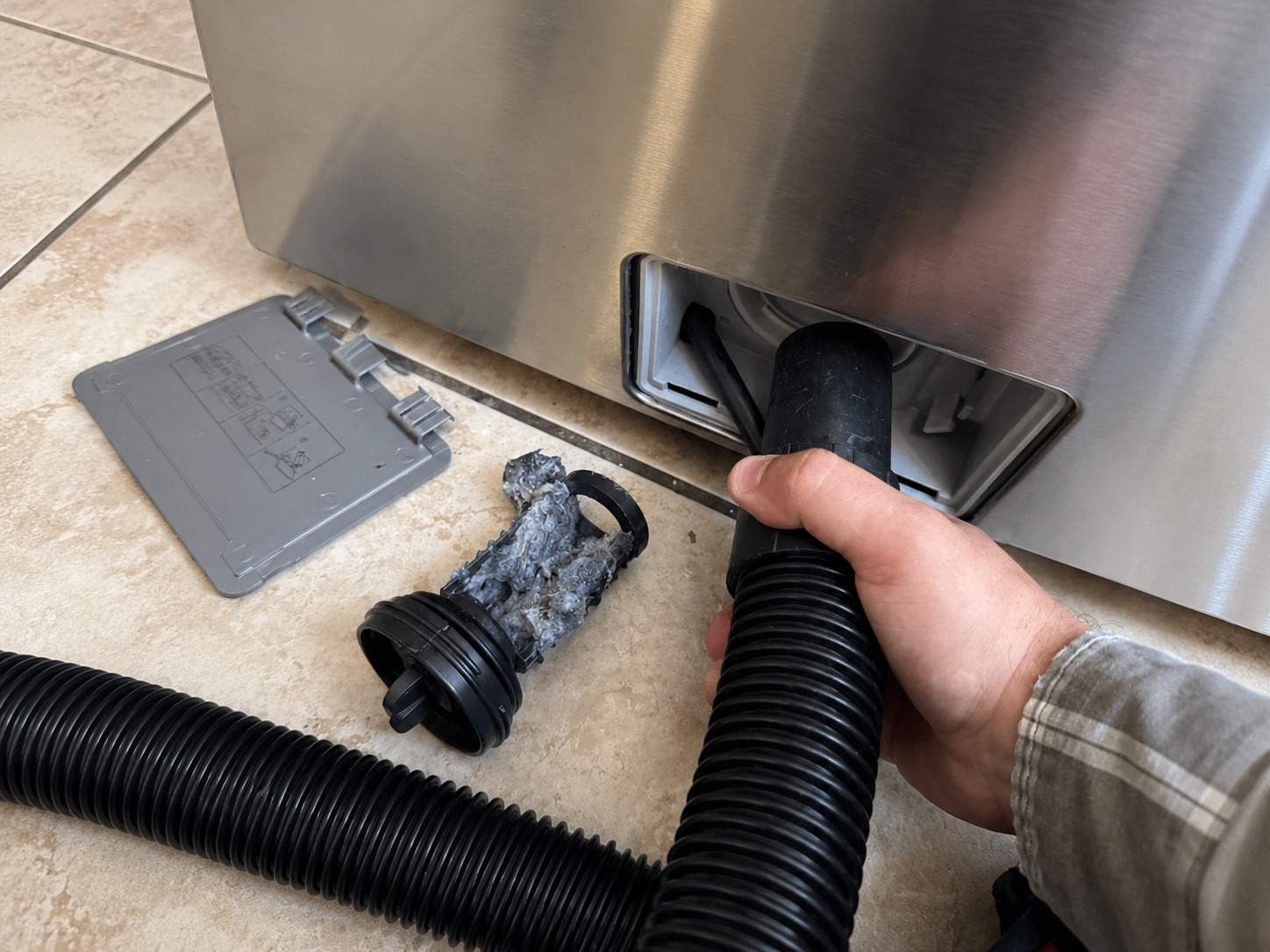
A drain pump filter pulled out of a front-load washer, packed with lint and debris

Water is leaking from the washer

Water down the front of the machine, under it, or across the floor mid-cycle. The door gasket is the usual suspect, but it is not always the answer. A split in the pressure switch hose can leak too — and be mistaken for a gasket leak. That distinction is worth real money to you: replacing a gasket that was never the problem costs you a repair and leaves the leak.

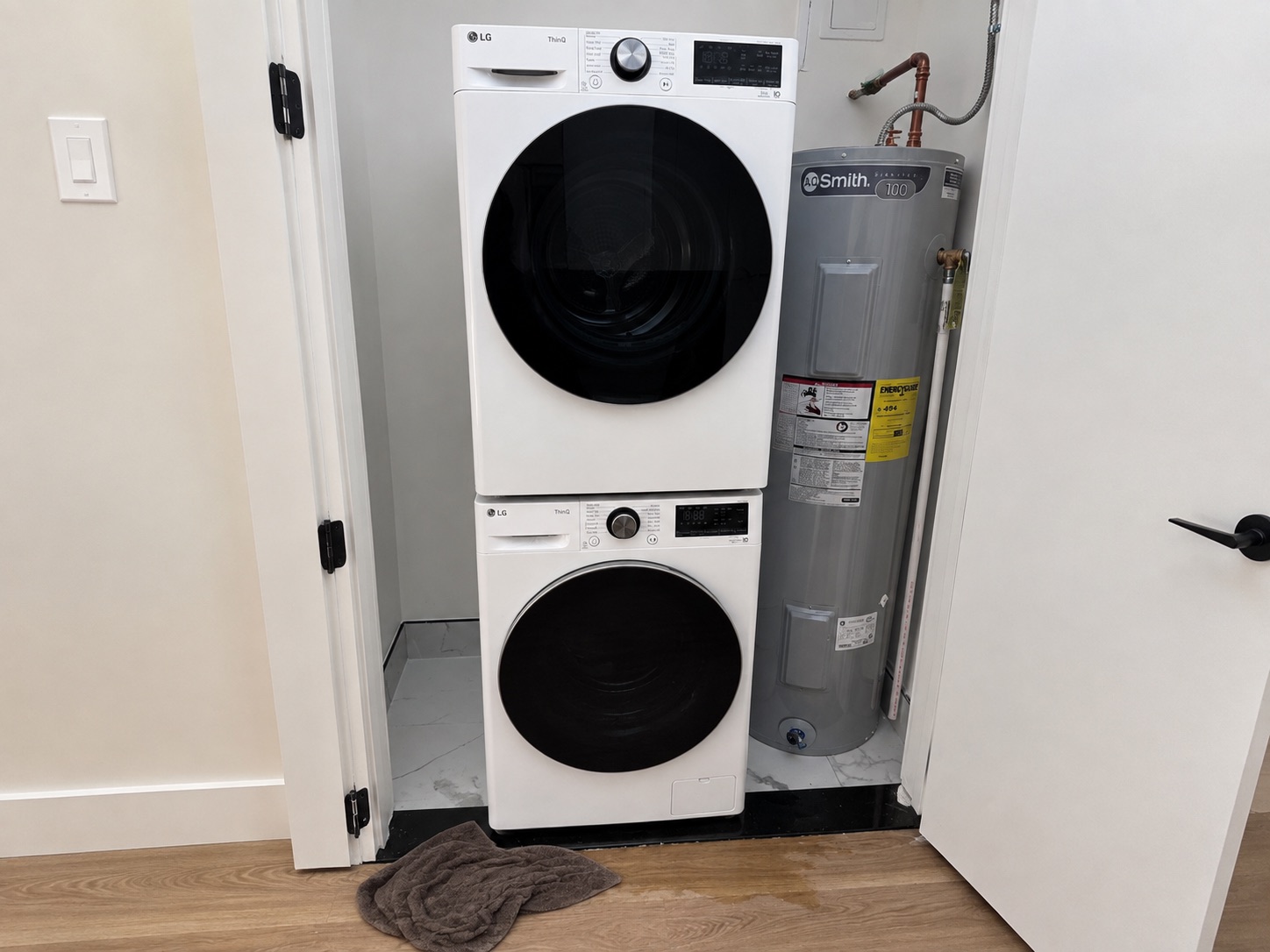
A stacked washer and dryer in a closet with a towel on the floor where the machine leaked

The washer won't fill with water

You start a cycle and nothing happens — no water, sometimes a faint hum. Usually the water inlet valve has failed and no longer opens on command. Before we get there it is worth checking that both taps behind the machine are actually open and the hoses aren't kinked, because that costs you nothing and occasionally solves it.

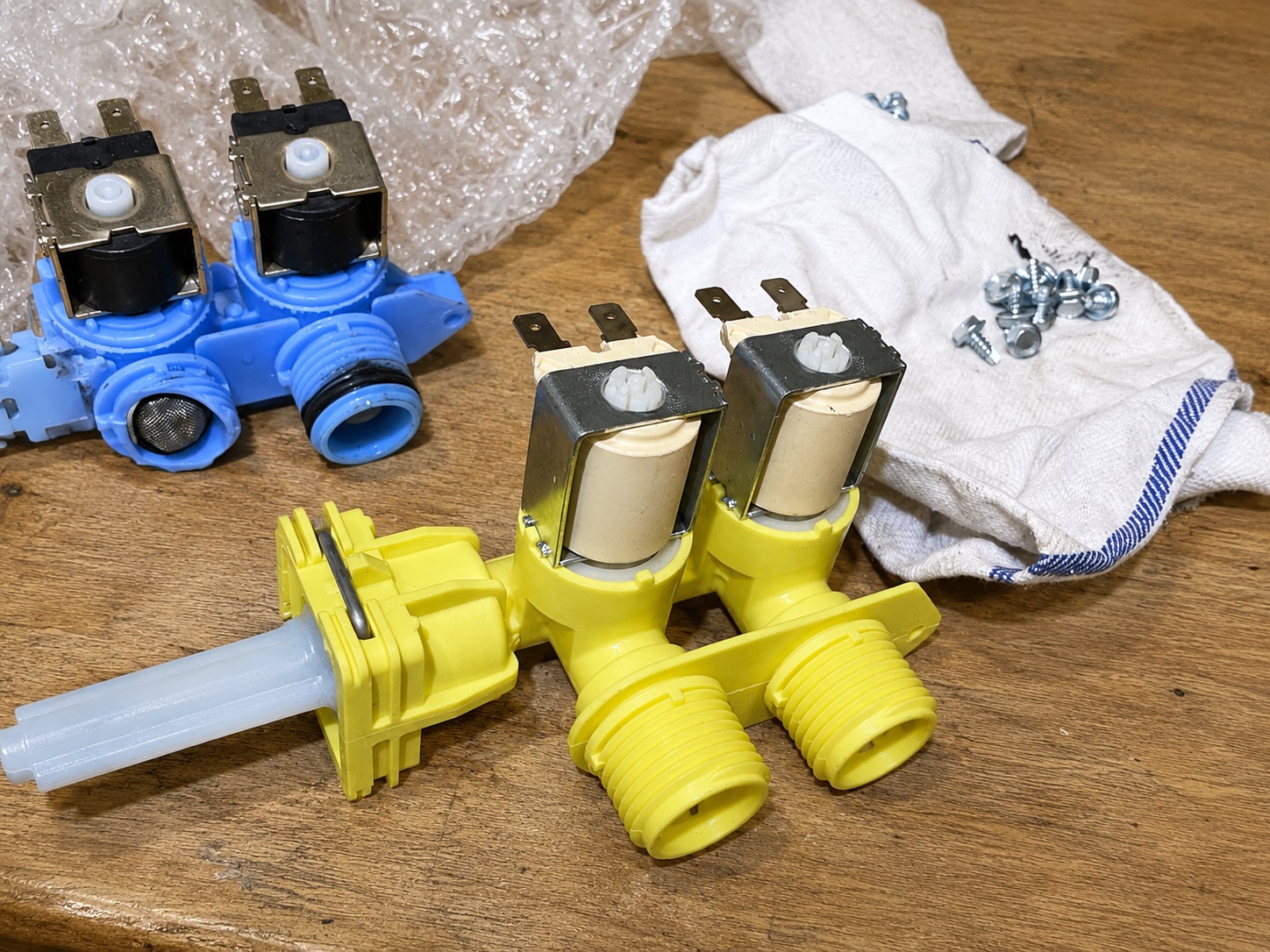
A failed water inlet valve beside its new replacement on the bench

The drum won't turn

The machine fills, but the drum sits still — on most modern machines with an error code on the display. Usually the drive motor, sometimes the belt or the coupling between motor and drum. On a belt-driven machine, a drum that spins freely by hand with no resistance at all points at a broken belt rather than a dead motor — and that is a cheaper repair.

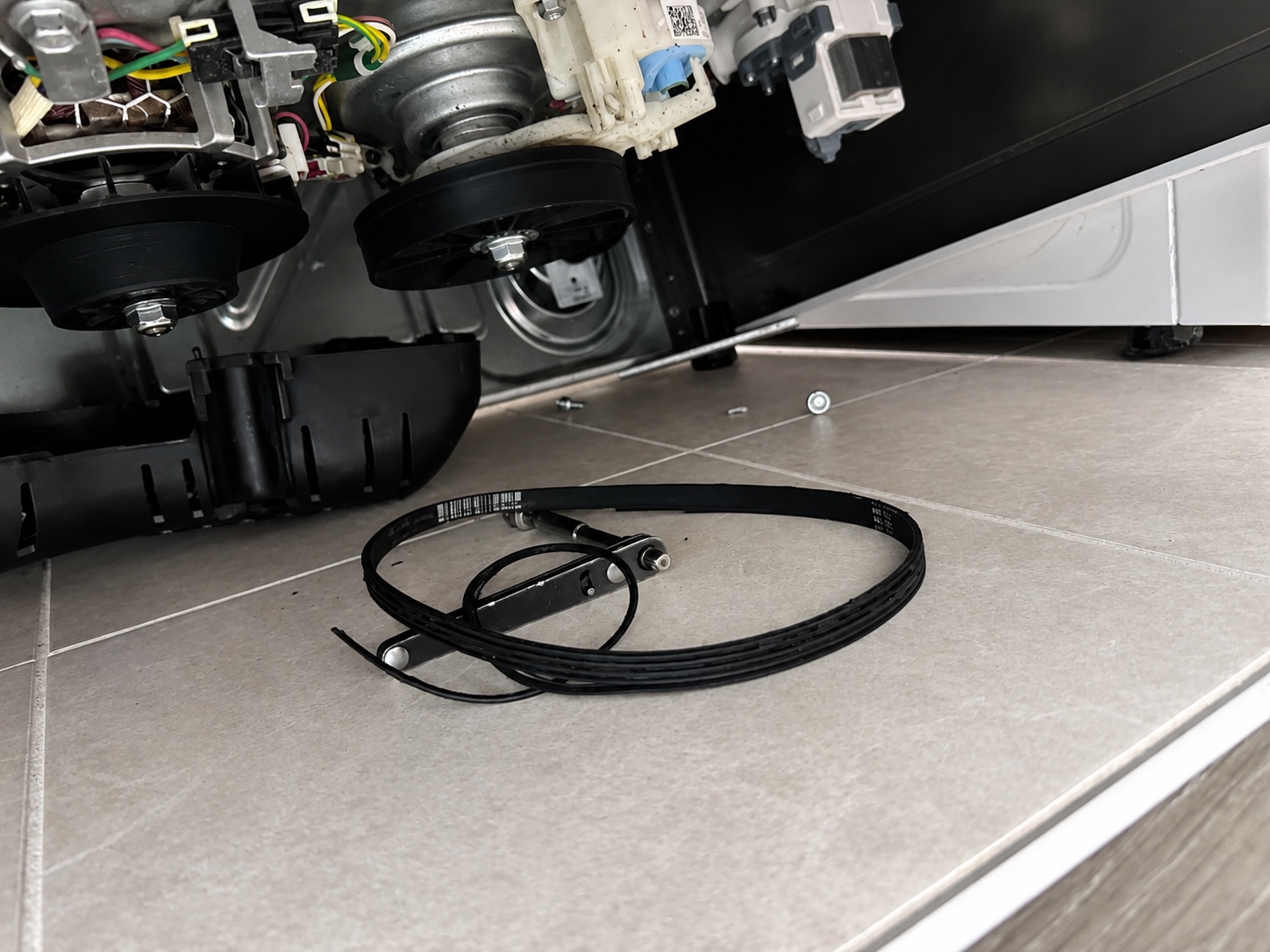
A snapped drive belt on the floor beside the washer's motor and pulleys

The washer shakes and walks across the floor

It bangs through the spin cycle and ends up a foot from where it started. If it does that load after load, that points at worn shock absorbers no longer damping the drum. It is worth acting on quickly: a drum thrashing unchecked at spin speed wears the bearing and the outer tub, and turns a moderate repair into a major one. If yours is bouncing, stop using it until it's looked at.

A washing machine with the front panel removed, exposing the drum and its suspension

The washer smells

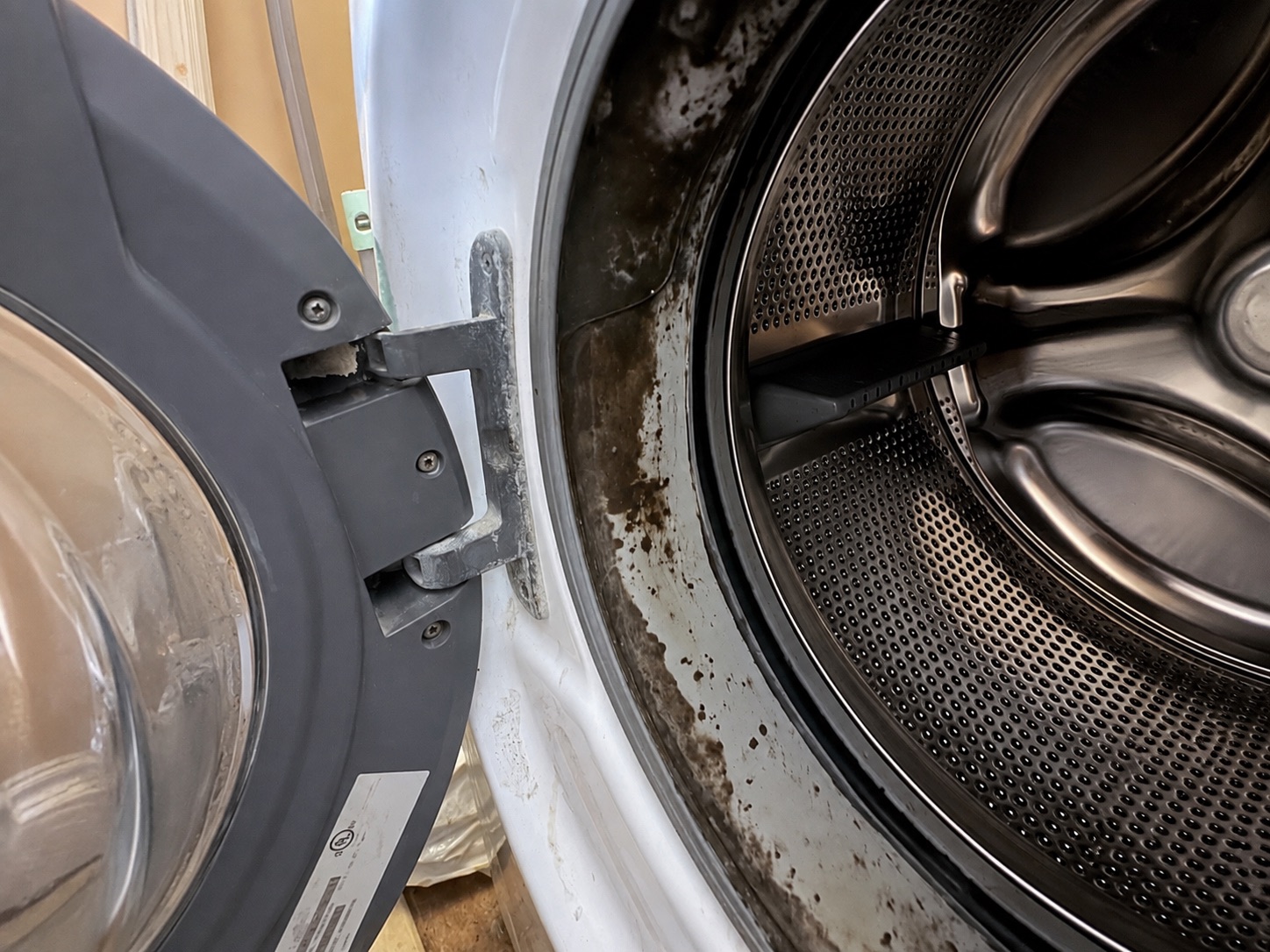
A musty smell from the drum, worst on a front-loader. It builds up in the door gasket, where water sits in the fold after every wash. Pull the gasket back and look: heavy black residue means it has gone past cleaning and the gasket wants replacing. Caught early, regular cleaning and leaving the door ajar between washes helps keep it away.

Heavy black mould in the fold of a front-load washer's door gasket

Tub full of water and a pile of laundry?

Same-day and next-day appointments, seven days a week.

Straight answers on price

What washing machine repair costs in Sayreville

We quote before we work. No repair starts until you approve the price.

Diagnostic visit$75Waived when you go ahead with the repair.
Most repairs land between$185 – $565The majority fall in the $250–$450 range.
RepairTypical range
Drain pump replacement$325 – $445
Shock absorber replacement$285 – $385
Drive motor replacement$365 – $565
Why ranges rather than one number?

Because the same repair is not the same job on every machine. On some models the drain pump sits behind a front panel and comes out quickly; on others the whole machine has to come apart to reach it, and the part costs twice as much. Stacked units and compact European machines take longer again. The range reflects the model and the access — and you get the exact figure before the repair starts.

  • Original manufacturer parts only.
  • 60-day warranty on every washer repair.
  • Discounts for military, seniors and returning customers — just ask.
From a real call

Another company had already been out for a leak. They replaced the door gasket, took the money and left. The leak was still there. When we opened it up, the gasket had never been the problem — the pressure switch hose had split. We had the hose on the van. $185, one visit, and the customer finally had a machine that didn't wet the floor.

ProTech technician · Sayreville, NJ
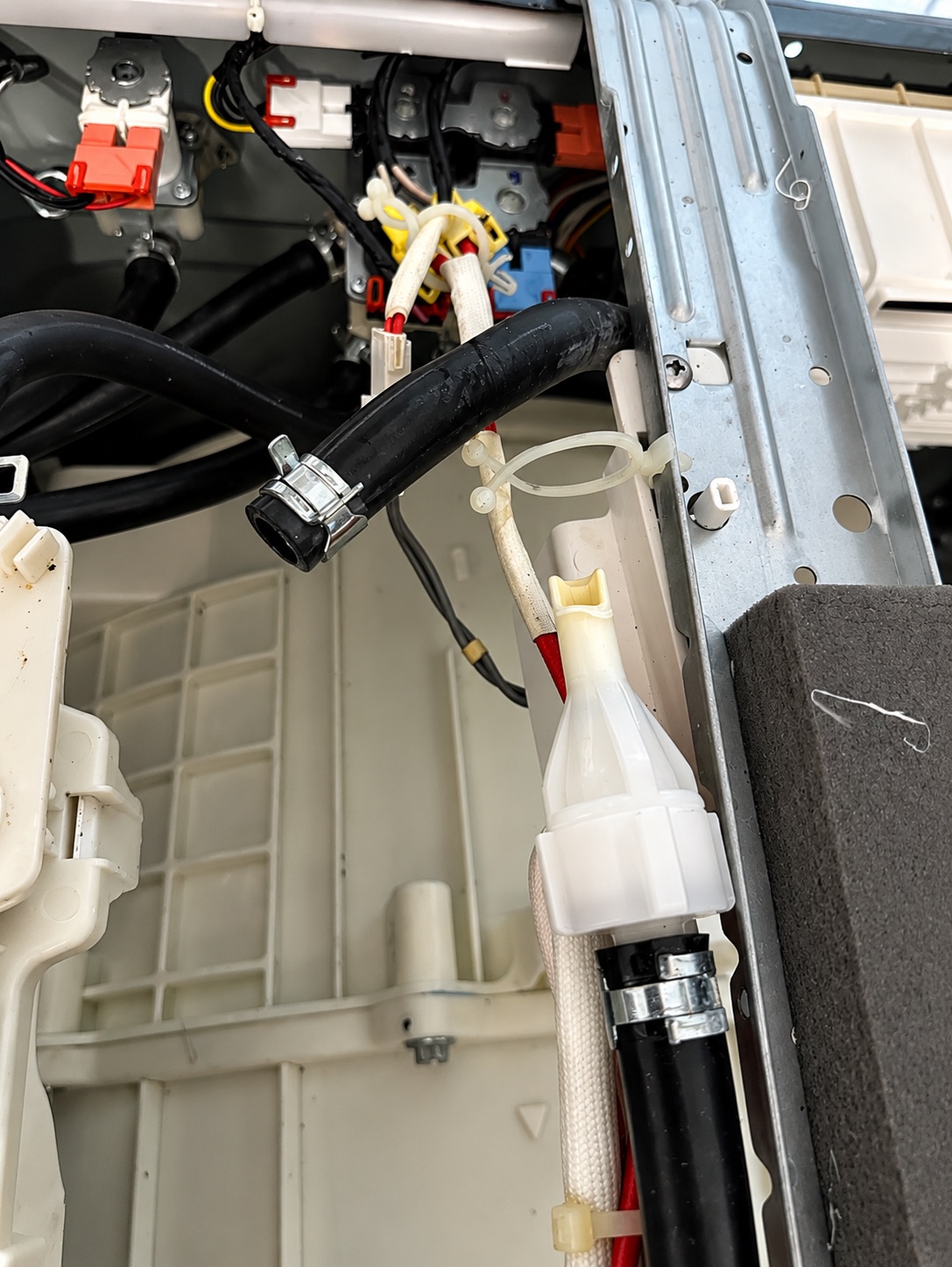
Inside a washing machine's top panel — hoses, wiring and the pressure chamber that feeds the level switch
Every layout, every configuration

Types of washing machines we repair

Top-load, front-load, stacked or commercial — the layout changes what fails and how we get to it.

Top-load washers

Common in rentals and older homes. Simpler than a front-loader, though the transmission and the lid switch take a beating on these. No door gasket means no gasket leaks, and a musty smell is less common than on a front-⁠loader.

Front-load washers

Gentler on clothes, harder on themselves. The door gasket is a wear part that tears and grows mould, the drain pump sits low where anything left in a pocket can end up, and the drum spins faster — which is why worn shock absorbers show up as a machine walking across the room.

Stacked laundry centers

A washer and dryer in one column, common in apartments and townhouses where floor space is tight. Access is tight, so a repair that is quick on a freestanding machine takes longer here — and that is worth knowing before you compare quotes.

Washer-dryer combos

One drum that washes and then dries, usually with no vent. Convenient in a condo, and mechanically the most crowded machine in the laundry room: a wash system and a drying system sharing one cabinet, which means more to go wrong and less room to work in.

Compact washers

24-inch machines from Bosch, Miele and Asko, usually in apartments and closets. Well built, but parts are less common and access is tight. We work on them.

Commercial and laundromat machines

Coin-op and card-op machines in laundromats and apartment buildings, running many times a day. They fail from duty cycle rather than age, and every hour one stands idle is money. Priced under our commercial rate.

Brands

Washing machine brands we service

Seventeen makes, from builder grade to commercial.

  • Samsung
  • LG
  • Whirlpool
  • Maytag
  • GE
  • Speed Queen
  • Frigidaire
  • Electrolux
  • Bosch
  • Kenmore
  • Amana
  • Miele
  • Asko
  • Fisher & Paykel
  • Beko
  • Haier
  • Hotpoint
Worth knowing

Speed Queen machines are built to a commercial standard and cost more to replace, so the repair-or-replace sums come out differently than for a builder-grade washer. If you own one, don't let anyone talk you into replacing it lightly.

What we take on

Every type of washing machine, from a compact European unit in a closet to a coin-op machine in a laundromat.

How a visit goes

How it works

  1. 01

    Call or send a request

    We pick up the phone and confirm the details with you.

  2. 02

    Same-day or next-day visit

    We work every day, 9am to 8pm — and if you need earlier or later, tell us and we'll arrange it.

  3. 03

    Diagnosis and a firm price

    You approve the exact figure before any work starts.

  4. 04

    The repair, usually same visit

    An hour or more depending on the machine, with the part already on the van.

How we're different

Most repairs are finished in one visit

When the part has to be ordered, the repair waits for a second visit days later. With a washer that means a tub of standing water and a laundry pile that keeps growing.

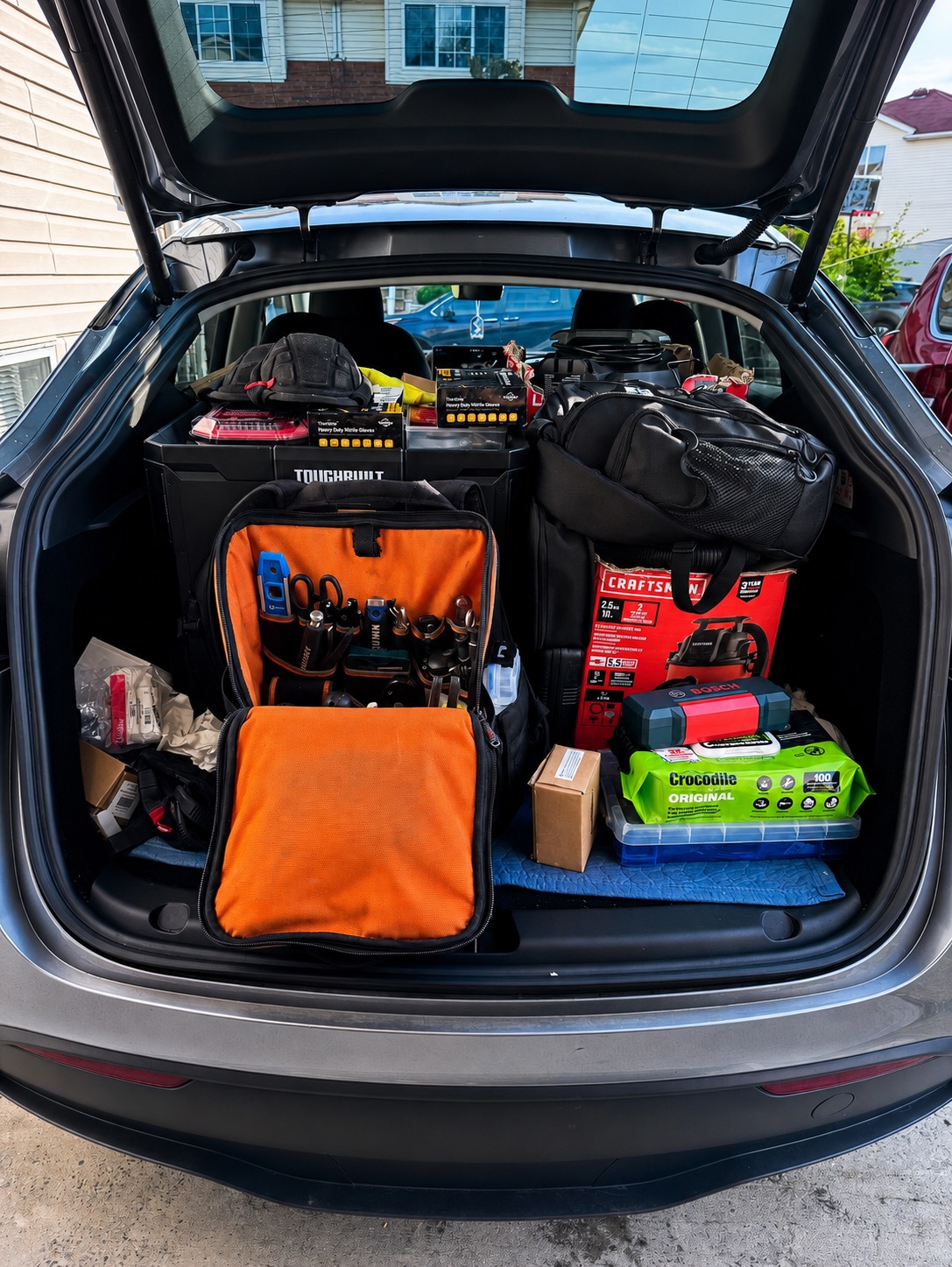
Our vans carry what actually fails on washing machines — drain pumps, inlet valves, shock absorbers, door gaskets, hoses — so the repair usually happens while we're standing there.

ProTech service vehicle loaded with tool bags, spare parts and supplies
98%
of washer repairs completed on the first visit
1 hr+
typical repair time on site
60 days
warranty on every repair
Worth checking first

Before you call

Four things worth checking — none of them are repairs, and one of them occasionally saves you a visit.

What not to do: don't take the machine apart. A washer combines mains electricity with standing water, and the drum assembly is heavy enough to cause real injury when it comes loose. A DIY attempt can turn a simple repair into a much bigger one.

  • Is the machine bouncing during the spin? If it moves across the floor load after load, that's the shock absorbers. Stop using it until it's looked at — a drum thrashing at spin speed damages the bearing and turns a moderate repair into an expensive one.
  • Pull back the door gasket and look inside the fold. Heavy black residue means it has gone past cleaning and wants replacing — and it is what makes the machine smell.
  • Both taps behind the machine open, hoses not kinked? Costs nothing to check, and it occasionally explains a machine that won't fill.
  • On a front-loader, the pump filter can be cleaned yourself — but ask us how first. It sits below the water line and opening it wrong empties the tub across your floor.
Questions we get asked

Common questions about washing machine repair

How much does washing machine repair cost in Sayreville, NJ?

Most repairs fall between $185 and $565 depending on the fault and the machine, with the majority in the $250–$450 range. The diagnostic visit is $75 and is waived when you proceed with the repair. You always approve the exact price before we start.

How can I pay?

We accept cash, checks, credit cards, bank transfer, Zelle and Venmo.

My washer is full of water and won't drain. What is it?

The first two suspects are a blockage in the drain path — the washer fault we're called for most — and a failed drain pump, the most common part we replace on washing machines. We carry pumps, so this is usually finished on the first visit.

How fast can you get here?

Same day or next day in most cases. We work seven days a week, 9am to 8pm, and can arrange earlier or later when a customer needs it.

Is it worth repairing an older washing machine?

We don't push replacement just because a machine is a few years old. A well-built washer has years left in it once a pump or a set of shock absorbers is replaced, where a cheap new one may not. Replacing makes sense when the repair would cost more than a comparable new machine — and we tell you that before you commit to anything.

My washer leaks. Isn't that always the door gasket?

No, and this one costs people money. A split pressure switch hose can leak too — and be mistaken for the gasket. We have been called out after another company replaced a gasket that was never the problem, and the leak was still there. Diagnosing before replacing is the whole job.

Do you work with landlords and property managers?

Regularly. Machines in rental units fail more often than machines in owner-occupied homes — tenants are harder on them, student rentals especially. We work across the Rutgers belt, including Piscataway and Highland Park.

Are your technicians background-checked and insured?

Our technicians are background-checked and fully insured. Every repair carries a 60-day warranty and we install original manufacturer parts only.

Still unsure? A technician will tell you straight on the phone whether it's worth repairing.

Where we work

Washing machine repair across Central New Jersey

Based in Sayreville, we come to towns in Middlesex, Somerset and Union counties — including the student rental belt around Rutgers, where laundry machines take especially hard use — and to Princeton and West Windsor on request.

Our 18 towns, around our base in SayrevilleMap of the 18 New Jersey towns we come to, around our base in Sayreville, with Princeton and West Windsor on request. The full list follows.
EdisonWoodbridge
  • Sayrevilleour base
  • Bridgewater
  • Clark
  • Cranford
  • East Brunswick
  • Edison
  • Fanwood
  • Franklin Township
  • Highland Park
  • Hillsborough
  • Metuchen
  • North Brunswick
  • Piscataway
  • Scotch Plains
  • South Brunswick
  • Warren
  • Westfield
  • Woodbridge
  • Princetonon request
  • West Windsoron request

See all towns we serve

Your town isn’t on the list? Call (732) 858-⁠0707 and ask — we’ll tell you whether we can come.

A master is one call away

Book your washing machine repair today.

Tell us what it's doing. A technician diagnoses it, quotes it clearly, and in most cases fixes it the same visit.

Same-day service available

Request a service call

Leave your details — a certified master calls you back, usually within 5 minutes.

5-min callbackCertified mastersFully insured
or call us directly
(732) 858-0707
Call nowBook a repair